News
Self-Healing Gymnastics Mats for Long-Term Durability
One of the biggest hidden problems with traditional gymnastics mats is permanent compression damage. Over time, repeated landings, drops, and high-impact drills cause foam to flatten, harden, or develop dead spots. Even when mats look fine on the surface, their internal structure may no longer provide consistent protection.
To solve this issue, manufacturers are now developing self-healing gymnastics mats, mats engineered with advanced foam chemistry that allows the material to recover its original shape and cushioning behavior after stress. This innovation significantly improves safety, longevity, and performance consistency.
What Are Self-Healing Gymnastics Mats?
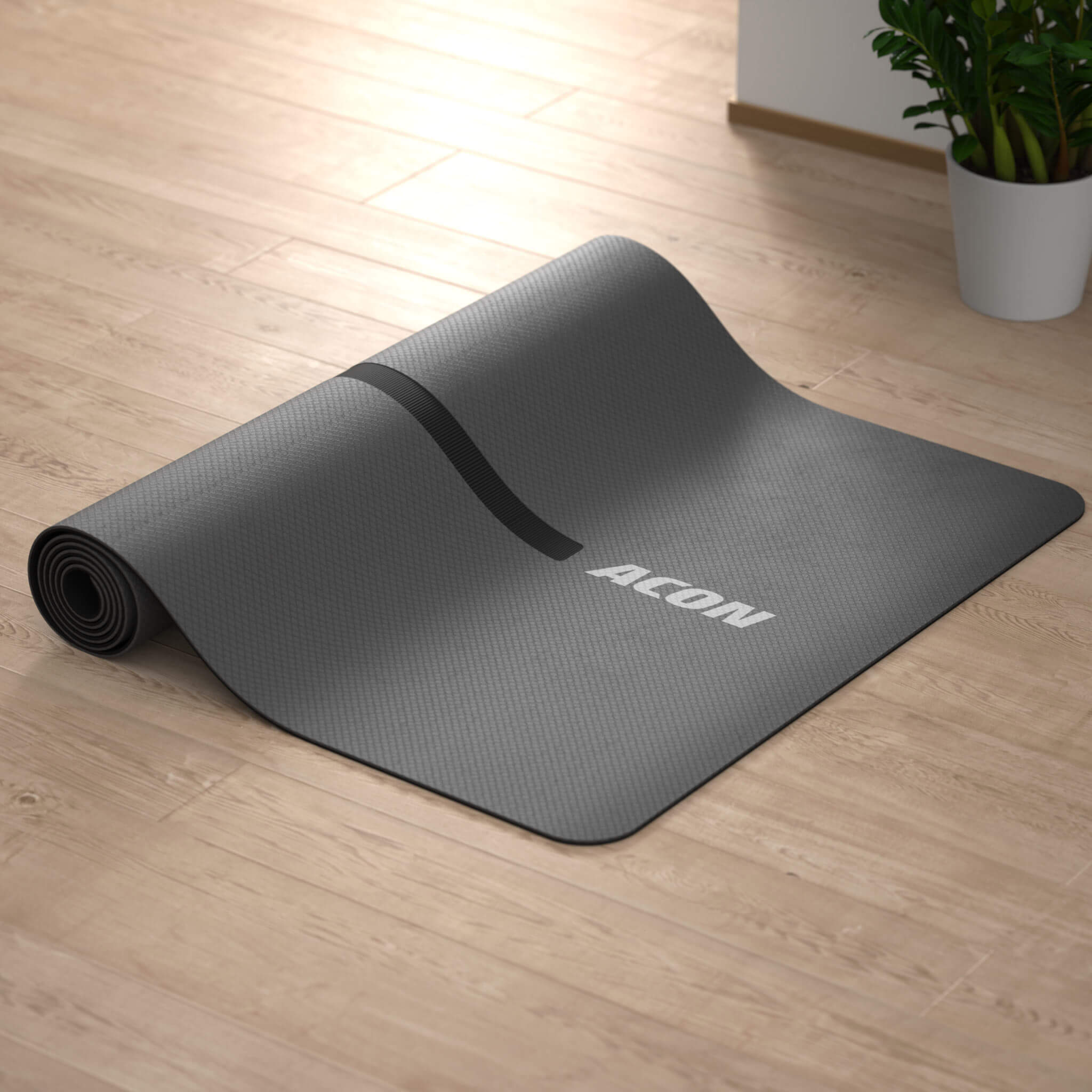
Self-healing gymnastics mats are mats designed with elastic memory foam systems that actively restore their internal structure after compression, deformation, or minor surface damage. Unlike traditional foams that permanently collapse under repeated stress, self-healing foams reorganize their molecular structure to regain resilience.
This is achieved through:
- Shape-memory polymer networks
- Reversible molecular bonding
- Elastic recovery cell architecture
- Multi-cycle compression resistance
The result is a mat that maintains its protective properties far longer than conventional designs.
Why Self-Healing Matters in Gymnastics Training
1- Dead Spots Increase Injury Risk
Compressed areas absorb less impact, creating uneven protection across the mat.
2- Visual Wear Is Not the Real Problem
A mat may look intact while its internal foam has already failed.
3- High-Volume Training Accelerates Foam Breakdown
Elite and youth programs place extreme repetition loads on mats.
Key Characteristics of Self-Healing Gymnastics Mats
1- Rapid Foam Recovery
After landings or heavy use, the foam rebounds to its original structure within minutes or hours.
2- Multi-Cycle Compression Resistance
The mat maintains performance across thousands of impact cycles.
3- Consistent Cushioning Zones
Self-healing behavior prevents localized soft or hard spots from forming.
4- Extended Performance Lifespan
Mats retain safety characteristics well beyond traditional replacement timelines.
Benefits of Self-Healing Gymnastics Mats
- Reduced formation of dead zones
- More consistent impact protection
- Longer usable lifespan
- Lower long-term replacement costs
- Improved safety for repeated landings
- Stable performance across training cycles
Who Benefits Most from Self-Healing Mats?
| User Group | Advantage |
|---|---|
| Competitive gyms | Long-term performance stability |
| Youth programs | Reduced injury risk |
| High-volume facilities | Slower material degradation |
| Schools | Cost efficiency |
| Landing-heavy disciplines | Reliable cushioning |
Self-Healing Mats vs Traditional Gymnastics Mats
| Feature | Traditional Mats | Self-Healing Mats |
|---|---|---|
| Foam Recovery | Limited | Active |
| Dead Spot Formation | Common | Minimal |
| Lifespan | Moderate | Extended |
| Impact Consistency | Declines over time | Maintained |
| Long-Term Safety | Variable | Improved |
Training Applications
Self-healing gymnastics mats are especially effective for:
- Vault and dismount landing zones
- Tumbling lanes
- Conditioning circuits
- Drop training drills
- High-repetition skill refinement
They are ideal where mats experience intense, repeated compression.
Future Developments in Self-Healing Mat Technology
Expected advancements include:
- Faster recovery foam chemistry
- Hybrid self-healing + temperature-adaptive systems
- Measurable foam-recovery certification standards
- Smart mats that track compression cycles
- Competition-grade self-healing flooring
As material science progresses, foam recovery is becoming a critical safety metric, not just a durability feature.
Conclusion
Self-healing gymnastics mats represent a major leap forward in mat safety and longevity. By restoring internal structure after repeated impact, these mats maintain consistent cushioning, reduce injury risk, and extend usable life far beyond traditional designs. For gyms prioritizing long-term performance, safety, and cost efficiency, self-healing mats offer a future-ready solution rooted in advanced material engineering.
Frequently Asked Questions (FAQs)
Q1: Do self-healing mats repair visible cuts or tears?
No. They restore internal foam structure, not surface damage.
Q2: How fast does the foam recover?
Recovery time varies but typically occurs within minutes to hours.
Q3: Are self-healing mats suitable for competition use?
Currently more common in training, with competition adoption emerging.
Q4: Do these mats feel softer than standard mats?
No. They maintain consistent firmness over time.
Q5: Are self-healing mats more expensive?
Initially yes, but they reduce long-term replacement costs.